


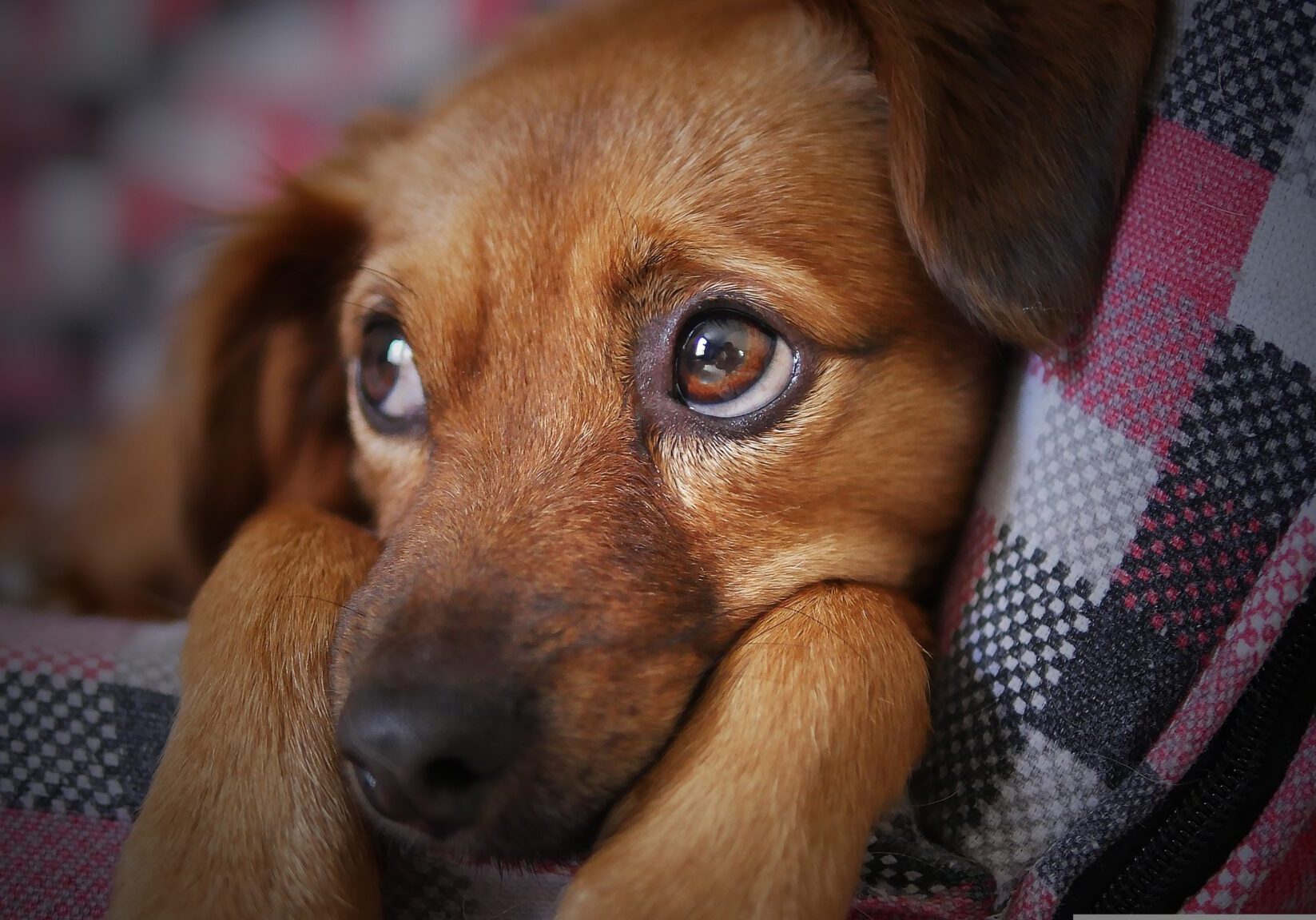
How do you train a puppy to be alone?
Leaving a new puppy alone for the first time is often harder on you than on the puppy. It whines, barks or scratches at the door frame while you sit at work feeling guilty. That’s exactly why leaving a puppy alone is something you want to start working on right away – and it’s actually one of the easiest things to get right, as long as you take it at the right pace. Here’s a clear step-by-step guide to teaching your puppy to settle on its own.
Why is leaving a puppy alone so important?
The dog is a pack animal. For a puppy, being alone is completely unnatural – in the wild, being alone means danger. Settling calmly on its own is therefore not something a puppy can do from the start; it’s something it has to learn, just like walking on a lead or coming when called.
That’s why it’s so important to start early. A puppy that gets to practise at a calm pace, before being alone ever becomes scary, grows into a secure dog. Skip the training – or push too fast – and this is often where the groundwork for separation anxiety gets laid instead. Put in the time now and you’ll avoid a far bigger problem later. How long a puppy may be left alone and how often it needs to be let out is regulated by the Swedish Board of Agriculture (Jordbruksverket).
Puppy foundation course
On our puppy courses, alone training is a natural part of the foundation – alongside everyday obedience, handling and social training. Our qualified instructors help you build a secure base right from the start, so both you and your puppy get off on the right foot. See our puppy courses here.
Leaving a puppy alone – step by step
1. Start with seconds, not minutes
The most common mistake is starting too big. You shouldn’t train for “fifteen minutes” – you should train in seconds.
- What to do: Step into another room and close the door for 5–10 seconds. Come back before the puppy has time to react, and repeat many short times.
- Why: The puppy learns that you always come back. When it never has time to feel uncomfortable, there’s nothing to get stressed about.
2. Make goodbyes a non-event
Big, emotional goodbyes teach the puppy that you leaving is a big deal – and then it becomes a big deal.
- What to do: No long cuddles and no “but now mum has to go”. Just leave calmly. And come home just as undramatically: give a calm pat, then let the puppy be.
- Why: Calm out, calm in. Your level sets the puppy’s level.
3. Create a safe spot
The puppy needs a place of its own that means calm and safety – a bed, a crate with the door open, or a room it knows well. Many people use a baby gate or a pet barrier, so the puppy can see you but still be on its own.
- What to do: Feed it, give chews, and let the puppy sleep in the spot even when you’re home. The spot should never be used as punishment.
- Why: A place that already feels safe when you’re home feels safe when you leave, too.
4. Build up the time in small steps
Once the short moments work, you build on them – but little by little and without rushing.
- What to do: 10 seconds → half a minute → a minute → five minutes and up. Vary it, so it isn’t always longer and longer. Throw in a short trip now and then, for example, so the puppy can never predict how long you’ll be gone.
- Why: Small, successful steps build confidence. A single step that’s too big, on the other hand, can undo several days of progress.
5. Train when the puppy is fed, walked and pleasantly tired
A puppy that needs to pee, is hungry or is bursting with energy has no chance of relaxing.
- What to do: Do the training after a walk or play session, ideally when the puppy is about to fall asleep anyway.
- Why: A content, pleasantly tired puppy then links being alone with rest – not with discomfort.
6. Vary your routines
Dogs are skilled at reading patterns. If you always grab the jacket and keys right before you go, the puppy learns to start stressing right then.
- What to do: Put your shoes on sometimes without leaving. Jangle the keys and then sit down on the sofa. Simply make the “leaving signals” meaningless.
- Why: When the warning signs no longer mean anything, a big part of the worry disappears before you’ve even opened the door.
Common mistakes when leaving a puppy alone
- You go too fast. The most common mistake of all. Better short sessions often than one that’s too long.
- You wait until the puppy is already stressed. Break off and come back before the whining starts, not after.
- You comfort the whining. Rushing in to pat a whining puppy teaches it that whining works instead. Wait for a calm second and go in then.
- You compare with other dogs. Some puppies manage an hour within a week, others need a month. Your puppy’s pace is the right pace.
Leaving a puppy alone – how long does it take?
It varies a lot from puppy to puppy. Some are comfortable with several hours within a few weeks, while others need longer and more short sessions. Keep in mind that a young puppy shouldn’t be left alone for more than short moments, and that a fully trained adult dog generally shouldn’t be alone for more than around five hours at a stretch. What matters isn’t how fast it goes, but that it keeps moving forward. Train a little every day, in reasonable steps, and you’ll get surprisingly far in a short time.
When do you need help?
Get help if you see signs that this is about more than ordinary settling in:
- The puppy panics, tears things up, barks or howls non-stop the moment it’s left
- It pees or poops indoors from stress even though it’s house-trained
- You’re completely stuck and the training isn’t moving forward
- You feel unsure about how to proceed
Then it’s worth bringing in professional help early, since it’s almost always easier to solve before the problem grows.
Summary
Leaving a puppy alone isn’t about toughening the dog up, but about teaching it – in small, safe steps – that being alone is harmless and that you always come back. Start on day one, keep goodbyes undramatic and increase the time slowly. Do that, and you’ll prevent separation anxiety and give your puppy a secure foundation to stand on for the rest of its life.
Contact us if you’d like help getting started – or read more about our puppy courses, where alone training is a natural part of the foundation.