


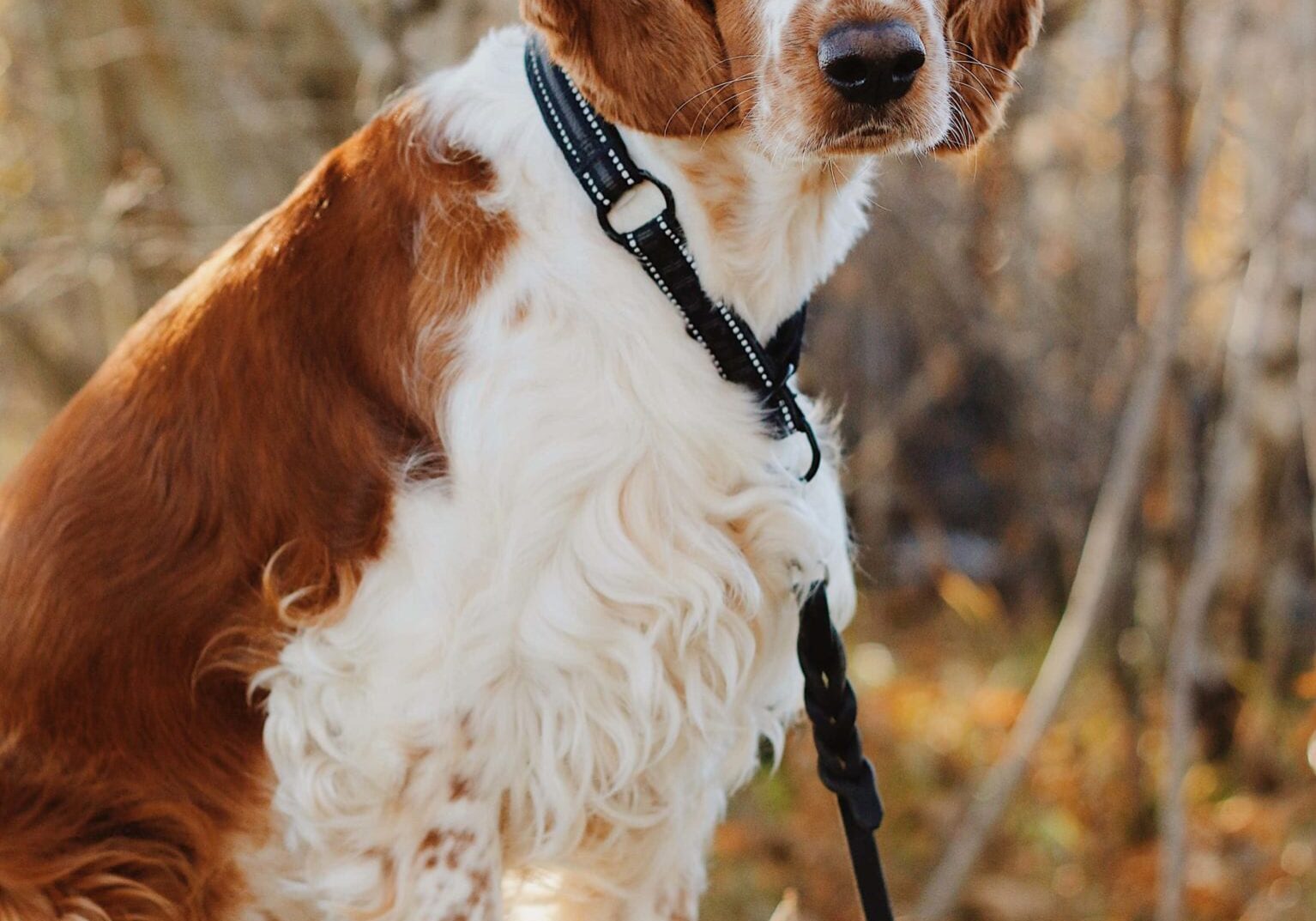
Why does my dog pull on their leash? (and how do you train them not to)
Does your dog pull on their leash? It’s one of the most common problems dog owners experience. It can make walks stressful and difficult to enjoy – but it can be trained away with the right method.
In this guide, we’ll explain why dogs pull on their leash and how you can, step by step, achieve a calmer and more harmonious walk.
Why do dogs pull on their leashes?
The simple answer: because it works.
If the dog pulls and moves forward, it quickly learns that pulling gets results. At the same time, we humans often move too quickly through the training process and set expectations that are too high too soon.
Common causes:
- The dog is eager and wants to move forward
- It has learned that pulling means moving forward
- Lack of training in calm walking
- Too many stimuli (other dogs, smells, surroundings)
How to stop your dog from pulling on the leash
1. Stop encouraging pulling
Every time your dog pulls and you keep walking forward, you’re reinforcing the behavior. Stop immediately when the leash tightens.
2. Reward the right behavior
When the dog walks close to you, eases the tension on the leash, and seeks contact – reward it immediately with a treat or praise.
3. Practice making contact
A dog that pays attention to you pulls less.
Practice:
- Say the dog’s name
- Reward it when it looks at you
- Repeat this in calm environments
4. Start in the right environment
Don’t start exercising in the middle of a chaotic environment. Start at home or on a quiet street. Then you can gradually increase the difficulty.
5. Be consistent
Every walk is a training opportunity. If you let your dog pull sometimes, the training will go more slowly.
Common mistakes
- Yanking on the leash
- Moving forward even though the dogs are pulling
- Training in environments that are too challenging
- Setting expectations that are too high too soon
How long does it take?
It depends on the dog and consistency – but with the right training, you’ll often see improvement within a few weeks.
The key is consistency + rewarding the right behavior.
When should you seek help?
If your dog pulls excessively, gets stressed during walks, or doesn’t respond to training, private training can yield faster results.
Summary
When a dog pulls on the leash, it’s not a matter of disobedience – it’s a matter of training.
With the right training, you can:
- enjoy more relaxed walks
- strengthen your bond
- reduce stress for both you and your dog
Contact us if you need help with dog training!